Wisconsin homes deal with a lot of moisture: snowmelt every spring, humid summers, and basements that sit below the frost line. That’s why mold is one of the most common worries we hear from buyers in Madison and across Dane County. The good news is that mold almost always follows water, and water leaves clues. This guide covers the signs of mold when buying a house, what a home inspector looks for, and what to do if something turns up.
HomeStart’s mold inspections are visual: we look for the moisture conditions and visible signs that point to mold. We don’t take lab samples, so if sampling is needed we’ll tell you when to bring in a mold specialist.
Why Mold Is Really a Moisture Problem
Mold spores are everywhere, indoors and out. They only become a problem when they find a damp surface and something to feed on, like drywall paper, wood framing or dusty insulation. Find the moisture source and you’ve found the real issue. Clean up mold without fixing the leak, and it usually comes back.
That’s why a good inspection doesn’t stop at “there’s a stain here.” It asks where the water is coming from, whether it’s still active, and what it might be affecting that you can’t see.
Visible Signs of Mold and Moisture in a Home
Here are the most common clues buyers and inspectors notice:
- Staining or discoloration on ceilings, walls, or around windows and doors
- Fuzzy or spotted growth in black, green, white or gray, often in corners, closets or behind furniture
- A musty or earthy smell, especially in basements, crawlspaces and bathrooms
- Peeling paint, bubbling drywall or warped trim, all signs that water has been getting in
- Efflorescence, a white chalky residue on basement walls left behind by water moving through concrete or block
- Condensation on windows, cold water pipes or ductwork
- Rusted fasteners or dark sheathing in the attic
Where Inspectors Look Most Closely
Basements and Crawlspaces
Below-grade spaces are where most Madison-area moisture problems show up. Inspectors look at foundation walls for cracks, staining and efflorescence. They check sump pits, look for signs of past water in stored items or carpet, and note whether the space feels damp or smells musty.
Attics
In our cold winters, warm, moist air leaking up from the living space can condense on the underside of the roof deck. Inspectors check for dark or stained sheathing, frost or water marks, and bathroom or kitchen fans that vent into the attic instead of outside. Ventilation and insulation are part of the picture too.
Bathrooms, Kitchens and Laundry Areas
Plumbing leaks under sinks, failed caulk around tubs, and missing or weak exhaust fans can all keep surfaces damp. Inspectors look under cabinets, around toilets and at ceilings below bathrooms.
Windows, Doors and the Exterior
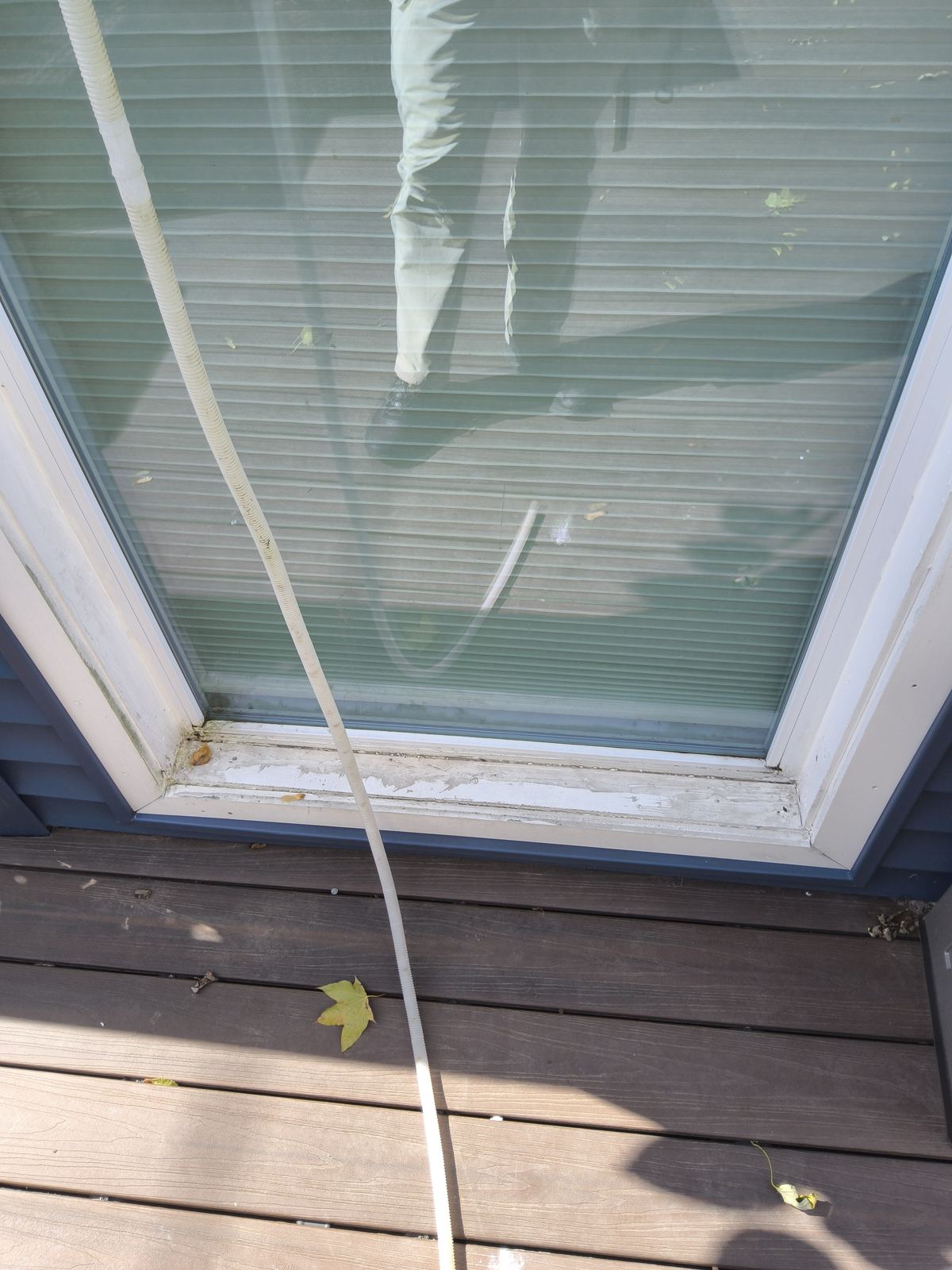
Water often gets in where materials meet. Inspectors look at flashing, door thresholds, window sills, siding, gutters, downspouts and grading. Soil that slopes toward the house, or downspouts that dump next to the foundation, are common causes of wet basements.
How Thermal Imaging Helps
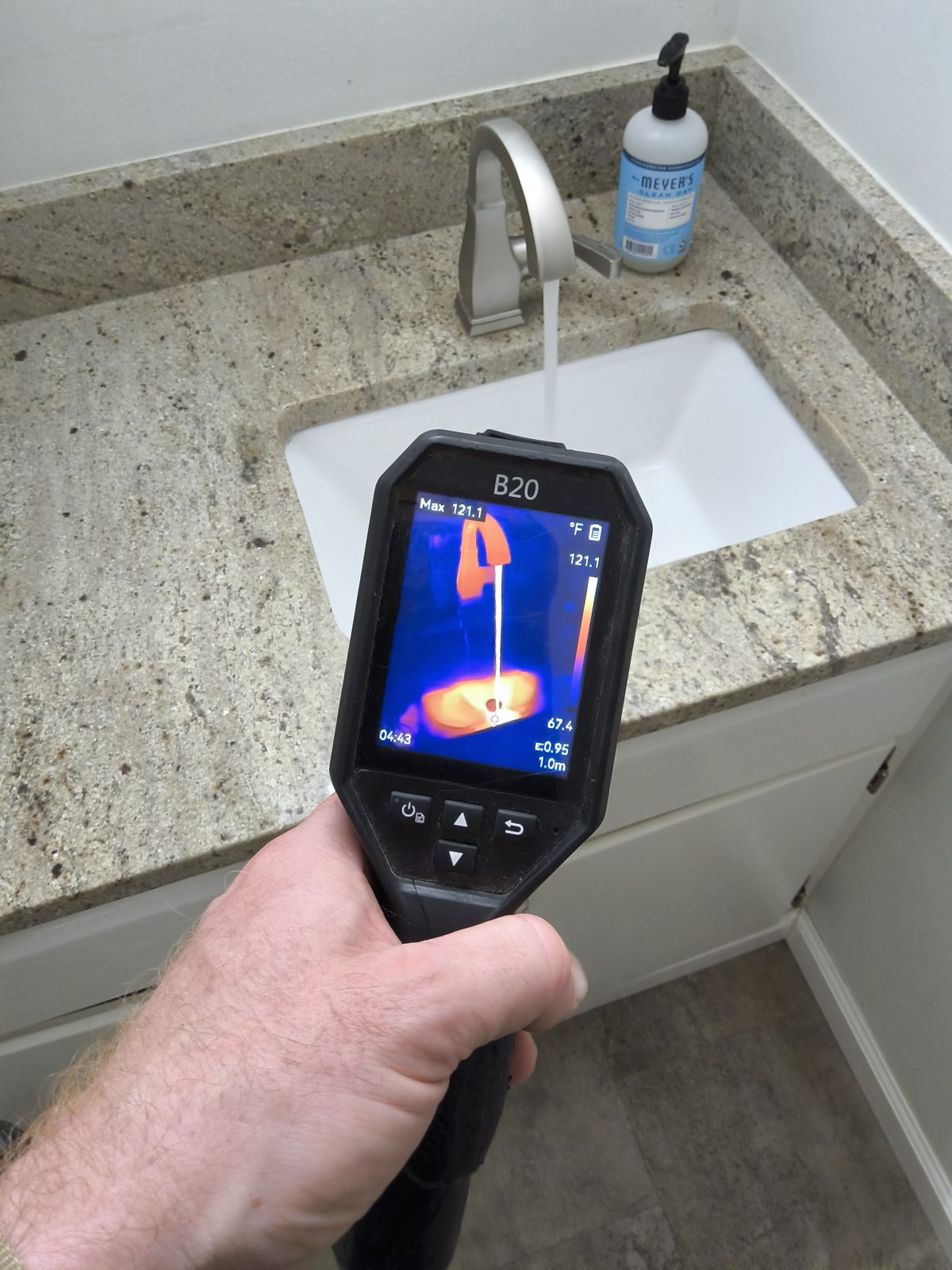
A thermal camera doesn’t see mold, and it doesn’t see through walls. What it shows is surface temperature. Wet materials often read cooler than dry ones, so thermal imaging can flag areas that deserve a closer look, like a ceiling below a bathroom or a wall near a window. HomeStart offers thermal imaging, and our inspectors use it with a visual inspection to help track down possible moisture.
What to Do If Your Inspection Finds Signs of Mold
- Read the report carefully. Note the location, the likely moisture source, and whether the inspector believes it’s active.
- Talk with your agent. Findings like these can shape repair requests, credits or your decision to move forward.
- Bring in the right specialist. For sampling, a mold specialist can help. For the source, call a roofer, plumber or waterproofing contractor.
- Fix the water first. Cleanup only lasts if the leak, drainage or ventilation problem is solved.
Other Moisture-Related Checks Worth Considering
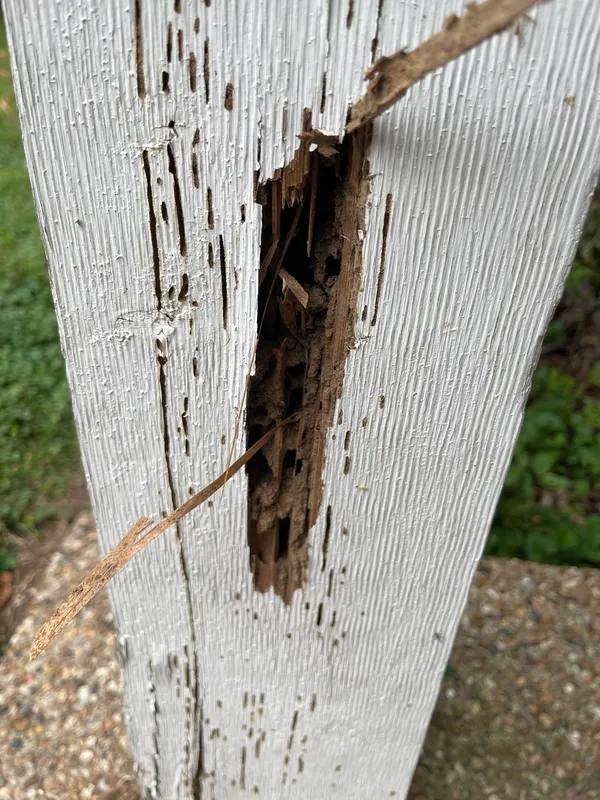
Moisture problems can overlap with other issues. Older homes with mature trees may have sewer line problems that lead to basement backups. A sewer scope puts a camera in the line before you buy. Damp wood can also attract wood destroying insects, which a WDO inspection looks for. And because many moisture issues start below grade, basement buyers often add radon testing at the same visit.
Buying in the Madison Area
HomeStart inspects homes across the Madison area every day. Learn more about our Madison home inspections and Middleton home inspections, or see our pages for Sun Prairie, Fitchburg and Verona.
Related reading: How to Choose a Home Inspection in Madison, WI and What to Expect During a Home Inspection in Wisconsin.
Frequently Asked Questions
Do home inspectors test for mold?
A standard home inspection is visual. HomeStart inspectors look for moisture conditions and visible signs of possible mold growth, but we don’t take lab samples. If sampling is needed, we’ll recommend contacting a mold specialist.
What does mold look like in a house?
It often shows up as black, green, white or gray spots or fuzzy patches, usually in damp areas like basements, bathrooms, attics and around windows. A musty smell is another common sign.
Is a little mold a deal-breaker?
Not always. What matters most is the moisture source and how widespread the problem is. Talk through the findings with your agent and the right specialist.
Can thermal imaging find mold?
No. Thermal imaging shows temperature differences that can suggest moisture, which helps an inspector decide where to look more closely.
When should I schedule my inspection?
As early in your inspection window as possible, so you have time to bring in a specialist if something comes up.
Book an Inspection That Looks for the Water
Want a thorough look at the moisture risks in the home you’re buying? HomeStart’s full-time inspectors are credentialed by the Wisconsin Department of Safety and Professional Services (DSPS), certified through InterNACHI, and publish reports the same day. Schedule online or call (608) 609-0369, 8am–8pm, 7 days a week.