Condos are a popular choice in Madison, from downtown buildings near the Capitol to townhome-style communities on the edges of the city. They often mean less yard work and a lower price than a single-family home. But buyers sometimes assume a condo doesn’t need an inspection because the association handles the building. In reality, condo inspections are just as important. You’re still responsible for a lot of what’s inside your walls.
Do You Need a Home Inspection for a Condo?
Yes, in most cases. When you buy a condo, you typically own the interior of your unit and share ownership of common elements with other owners. Exactly where that line falls depends on the condo’s declaration and bylaws. Whatever is yours to maintain is worth inspecting before you buy.
A condo inspection can reveal problems in your unit’s systems and give you clues about how the building is maintained overall.
What a Condo Inspection Covers
A condo inspection focuses on the unit and the parts of the building that are reasonably accessible. Typical areas include:
- Electrical: panel, outlets, switches, GFCI protection and visible wiring
- Plumbing: fixtures, supply and drain lines, water heater, signs of leaks
- Heating and cooling: furnace, heat pump, mini-split or other systems serving the unit
- Interior: walls, ceilings, floors, windows, doors and stairs
- Appliances that are part of the sale
- Ventilation: bath fans, kitchen exhaust and dryer venting
- Balconies, patios and decks attached to the unit, where accessible
What’s Usually Outside the Scope
Roofs, foundations, building-wide mechanical systems, parking structures and other common areas are usually maintained by the association. An inspector may note visible conditions, but these areas are often not fully accessible. In many buildings, roof access or mechanical rooms are restricted.
For shared elements, your best tools are the association’s documents. Ask for recent meeting minutes, the budget, reserve information, and any planned or recent special assessments.
Common Condo Issues
Water Leaks From Above or Next Door
Water from a neighboring unit can show up as ceiling stains or damaged drywall. Inspectors look for staining, moisture and signs of past repairs. Thermal imaging can help point to areas that may be damp. Our guide to the signs of mold when buying a house covers related clues.
Aging Water Heaters and HVAC
Many condos have their own water heater and heating or cooling equipment. These can be expensive to replace, so knowing their condition helps you budget.
Windows and Patio Doors
Failed seals, drafts and water entry at sliding doors are common. Who maintains windows varies by association, so check your documents.
Ventilation
Bath fans and dryer vents that don’t exhaust properly can cause moisture problems inside the unit.
Townhome-Style Condos
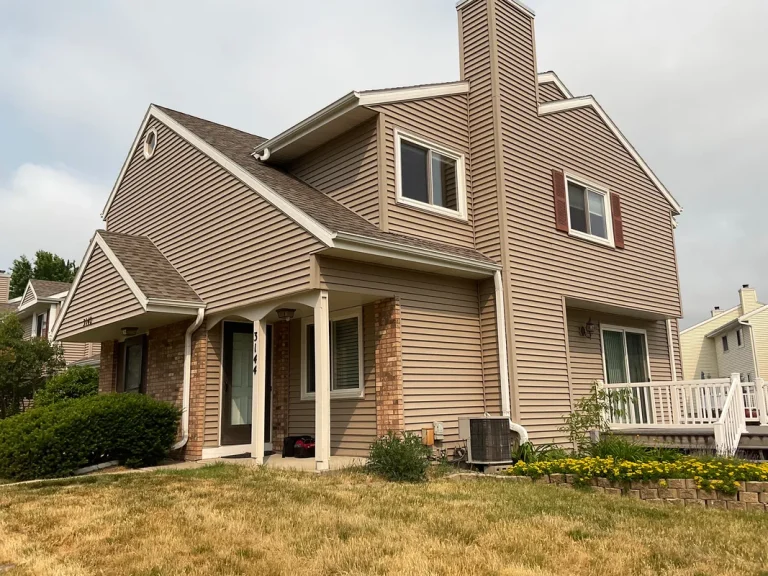
Some condos look like single-family or townhomes, with their own garage, basement or attached deck. In these cases, more of the home may be your responsibility, and the inspection may cover more areas. Check the declaration, and let us know about the property type when you schedule.
Add-On Tests for Condos
If the unit is on a lower level or has a basement, consider radon testing. Our radon guide for Madison homebuyers explains how it works. For townhome-style condos with their own sewer lateral, a sewer scope may be worth asking about.
Condo Inspections Across Madison
We inspect condos in Madison, Middleton, Fitchburg, Sun Prairie, Verona and beyond. For help choosing an inspector, read How to Choose a Home Inspection in Madison, WI.
Questions to Ask Before Buying a Condo
The inspection tells you about the unit. These questions help fill in the rest of the picture:
- What does the association cover? Ask for the declaration and bylaws, and confirm who maintains windows, patio doors, decks, roofs and exterior walls.
- What do the fees include? Some associations include water, sewer, trash, snow removal or building insurance. Others don’t.
- How healthy are the reserves? A reserve fund pays for big future projects like roof replacement or parking lot repairs. Low reserves can lead to special assessments.
- Are any special assessments planned? Meeting minutes often mention upcoming projects before they’re formally approved.
- Have there been water problems? Ask whether the unit or units nearby have had leaks, and how they were handled.
- Are there rental or pet restrictions? These matter if you might rent the unit later or have pets.
Your real estate agent can help you request these documents and understand them. Combined with a thorough inspection, they give you a much clearer view of what you’re buying.
Getting Ready for Inspection Day
Condo inspections can involve a few extra steps. Building access may need to be arranged through the listing agent or management, and some mechanical equipment may sit in shared closets or rooms. Letting us know about access details when you book helps the inspection go smoothly. We encourage you to attend, and your report will be published the same day so you can move quickly within your deadlines.
Frequently Asked Questions
Do I need an inspection on a condo?
Usually, yes. You’re typically responsible for your unit’s systems and interior, and an inspection shows their condition before you buy.
Does a condo inspection include the roof?
Usually not fully. Roofs and common areas are often maintained by the association and may not be accessible. Review association documents for those.
How long does a condo inspection take?
It depends on the unit’s size and condition. Condos are often quicker than single-family homes.
What association documents should I review?
Ask for the declaration, bylaws, budget, reserves, meeting minutes, and information on any special assessments.
Can I attend the condo inspection?
Yes, and we encourage it. It’s a great chance to ask questions about your unit.
Schedule Your Condo Inspection
Know what you’re responsible for before you sign. HomeStart’s full-time inspectors are credentialed by the Wisconsin Department of Safety and Professional Services (DSPS), certified through InterNACHI, and publish reports the same day. Schedule online or call (608) 609-0369, 8am–8pm, 7 days a week.