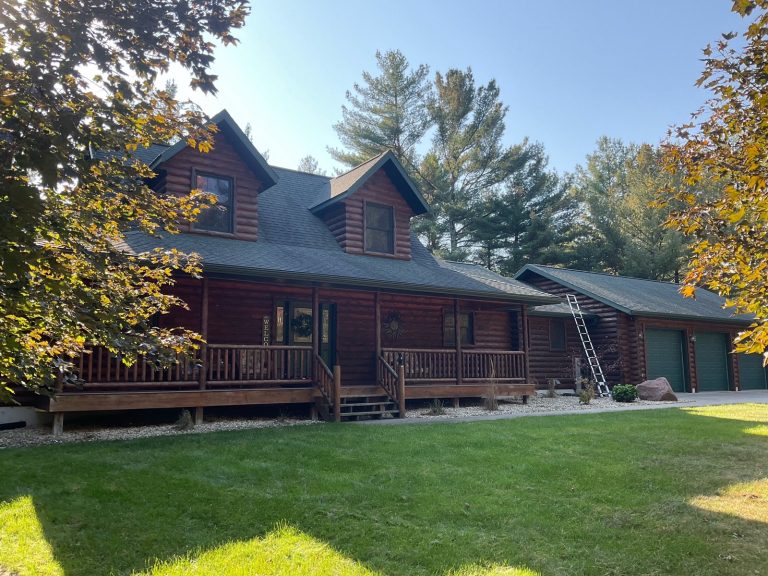
Log homes have a special place in Wisconsin, from cabins up north to custom log homes on wooded lots outside Madison. They’re beautiful and full of character. They also come with maintenance needs that are different from a typical stick-built house. If you’re considering one, here’s what a log home inspection in Wisconsin should focus on and how to plan for it.
How Log Homes Are Different
In a conventional home, the framing is hidden behind siding and drywall. In a log home, the logs are often the structure, the exterior finish and the interior wall all in one. That means the condition of the logs matters a great deal, and problems that would be hidden in another house are often visible if you know where to look.
Logs also move. They shrink and settle as they dry over time, and they react to moisture and seasonal changes. Doors, windows, stairs and interior walls in a log home need to be built to handle that movement.
Key Things to Check on a Log Home
Moisture and Log Rot
Water is the biggest enemy of a log home. Inspectors pay close attention to the lower courses of logs, log ends, window and door sills, and any area where water splashes or sits. Soft spots, staining, fungal growth and crumbling wood are warning signs. Short roof overhangs, missing gutters, and soil or landscaping too close to the logs all raise the risk.
Checking and Cracks
Checks are cracks that form naturally as logs dry. Many are cosmetic. But upward-facing checks on the exterior can collect water and lead to rot over time. An inspector will note checks that may need sealing or monitoring.
Chinking, Caulking and Air Sealing
Gaps between logs are sealed with chinking or caulk. When that seal fails, you can get drafts, higher heating costs and water entry, a real concern during a Wisconsin winter. Inspectors look for gaps, separation and daylight between logs.
Settling and Movement
Signs of uneven settling include sticking doors and windows, gaps above window and door frames, and stress on interior partitions or stairs. Many log homes have settling spaces or adjustable jacks built in. An inspector will note whether these appear to be working and whether movement looks excessive.
Exterior Finish
Stain and sealant protect logs from sun and moisture. Faded, peeling or worn finish, especially on south and west walls, means the logs are more exposed. Ask the seller when the home was last refinished.
Wood Destroying Insects
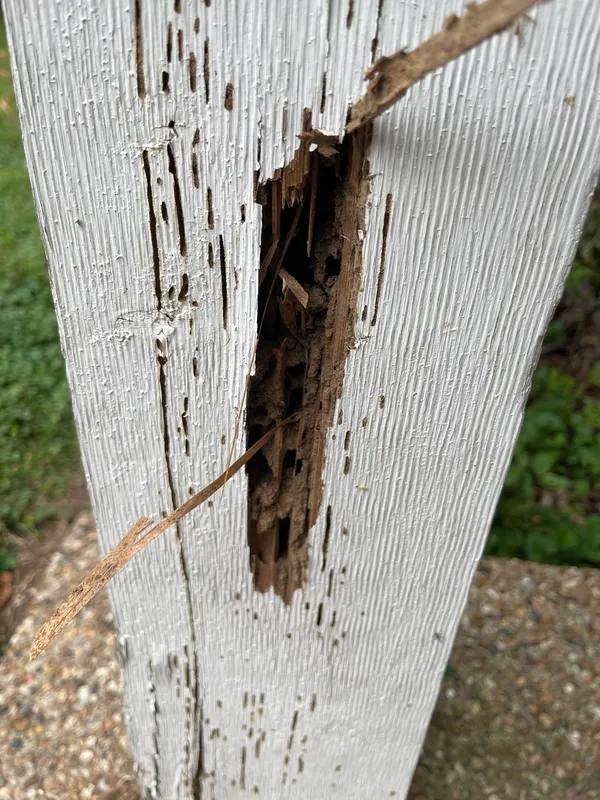
Wood homes can attract carpenter ants, wood-boring beetles and other wood destroying insects. Frass (fine sawdust), exit holes and damaged wood are worth noting. A WDO inspection focuses on these pests and can be added to your visit. If you’re using a VA loan, see our guide to VA pest inspections in Wisconsin.
Everything Else Still Matters
A log home still has a roof, foundation, electrical, plumbing, heating and ventilation, and those systems get the same full evaluation as any other house during a home inspection. Pay extra attention to:
- Roofs and overhangs that keep water off the logs
- Chimneys and wood stoves, which are common in log homes
- Foundations and crawlspaces, where moisture can affect the bottom logs
- Electrical wiring routed through logs, which can be harder to update
Rural Log Homes: Plan for Well and Septic
Many Wisconsin log homes sit on rural lots without city water or sewer. If that’s the case, consider a well inspection and a septic inspection. Radon testing is also worth adding, since any home in contact with the ground can have elevated radon. Scheduling everything together keeps your inspection window manageable.
Tips for Log Home Buyers
- Ask for maintenance records, including refinishing and any log repairs or replacements.
- Find out whether the home is a milled log kit or handcrafted, and its approximate age.
- Walk the exterior after a rain if you can, to see where water goes.
- Budget for ongoing maintenance, especially exterior finish and sealing.
- If the inspection finds significant rot or structural concerns, consider a contractor experienced with log homes for a closer evaluation.
Serving the Madison Area and Beyond
Whether your log home is outside Middleton, south of Madison, or farther out into south central Wisconsin, HomeStart can inspect it. Call us to talk through the property and the add-on services that fit it.
HomeStart inspects homes across the Madison area every day. Learn more about our Madison home inspections and Middleton home inspections, or see our pages for Sun Prairie, Fitchburg and Verona.
Related reading: How to Choose a Home Inspection in Madison, WI and What to Expect During a Home Inspection in Wisconsin.
Questions to Ask the Seller of a Log Home
A few questions up front can tell you a lot about how the home has been cared for:
- When was the exterior last cleaned, stained or sealed, and what product was used?
- Have any logs ever been repaired or replaced? Where, and why?
- Has the home had any insect treatments?
- Are there settling jacks or adjustable posts, and when were they last adjusted?
- How is the home heated, and when was the chimney or stove last serviced?
- Has there been any water in the basement or crawlspace?
Bring the answers to your inspection. They help your inspector focus on the areas that matter most and put the findings in context.
Frequently Asked Questions
Do log homes need a special inspection?
They get the same full home inspection as any house, with extra attention to the logs, moisture, chinking, settling and exterior finish.
What is the biggest problem with log homes?
Moisture. Water that sits on or soaks into logs can lead to rot, so roofs, overhangs, gutters, grading and exterior finish are especially important.
Are cracks in logs a problem?
Many checks are a normal part of logs drying. Upward-facing exterior checks that collect water deserve attention, since they can lead to rot.
Should I get a pest inspection on a log home?
It’s worth considering. Wood homes can attract wood destroying insects, and a WDO inspection focuses on them.
Can HomeStart inspect rural log homes?
Yes. HomeStart inspects log homes in Madison and across surrounding south central Wisconsin. Schedule online or call (608) 609-0369.
Planning to Buy a Log Home?
Get a clear picture of the logs, systems and maintenance needs before you commit. HomeStart’s full-time inspectors are credentialed by the Wisconsin Department of Safety and Professional Services (DSPS), certified through InterNACHI, and publish reports the same day. Schedule online or call (608) 609-0369, 8am–8pm, 7 days a week.