About 900,000 Wisconsin homes, roughly four in ten households, get their water from a private well. Once you move past the city limits of Madison, Middleton, Sun Prairie or Verona, a well is common. And unlike city water, nobody tests a private well for you. When you buy the house, the water becomes your responsibility.
Here is what Wisconsin requires, what to test for, and what a well inspection covers.
Does Wisconsin Require a Well Inspection When You Buy a Home?
No. Wisconsin law does not require a well inspection or water test when a property changes hands. It’s up to the buyer to ask for one, usually as part of the offer. Your lender may require certain water tests, and your agent can help you write a well and water contingency into your offer.
Skipping it is a risk. A failed bacteria test or a high nitrate result is much easier to deal with before closing than after.
What to Test Your Well Water For
The Wisconsin DNR recommends three tests for a drinking water well during a property sale:
- Coliform bacteria, including E. coli. Coliform bacteria aren’t always harmful on their own, but a positive result means something is letting surface contamination into the well. From 1988 to 2017, about 16 percent of private well bacteria tests recorded by the state came back positive.
- Nitrate. Nitrate is the most common groundwater contaminant in Wisconsin. It comes mostly from fertilizer, manure and septic systems. The drinking water standard is 10 parts per million, and infants and pregnant women face the highest risk.
- Arsenic. Arsenic occurs naturally in some Wisconsin rock. It shows up most often in northeastern, eastern and southeastern Wisconsin, but the DNR recommends testing for it at least once on any drinking water well.
Depending on the area and what the inspector sees, other tests may make sense too.
Nitrate in Dane County Wells
Nitrate is the one to watch in Dane County. The state’s Groundwater Coordinating Council estimates Dane County has about 23,500 private wells, and that about 18 percent of them exceed the nitrate standard. In heavily farmed parts of south central Wisconsin, 20 to 30 percent of private well samples come in over the limit.
A high nitrate result doesn’t always kill a deal. Options include a treatment system such as reverse osmosis for drinking water, or in some cases a deeper well. Either way, you want to know before you close so you can negotiate.
What a Well Inspection Covers
A water test tells you what’s in the water. A well inspection tells you about the equipment that delivers it.
In Wisconsin, a formal property transfer well inspection has to be done by a licensed well driller or licensed pump installer. They record their findings on DNR Form 3300-221. That inspection checks:
- Whether the well’s construction and pump installation meet Wisconsin’s well code, NR 812
- Distances from the well to septic systems and other sources of contamination or flooding
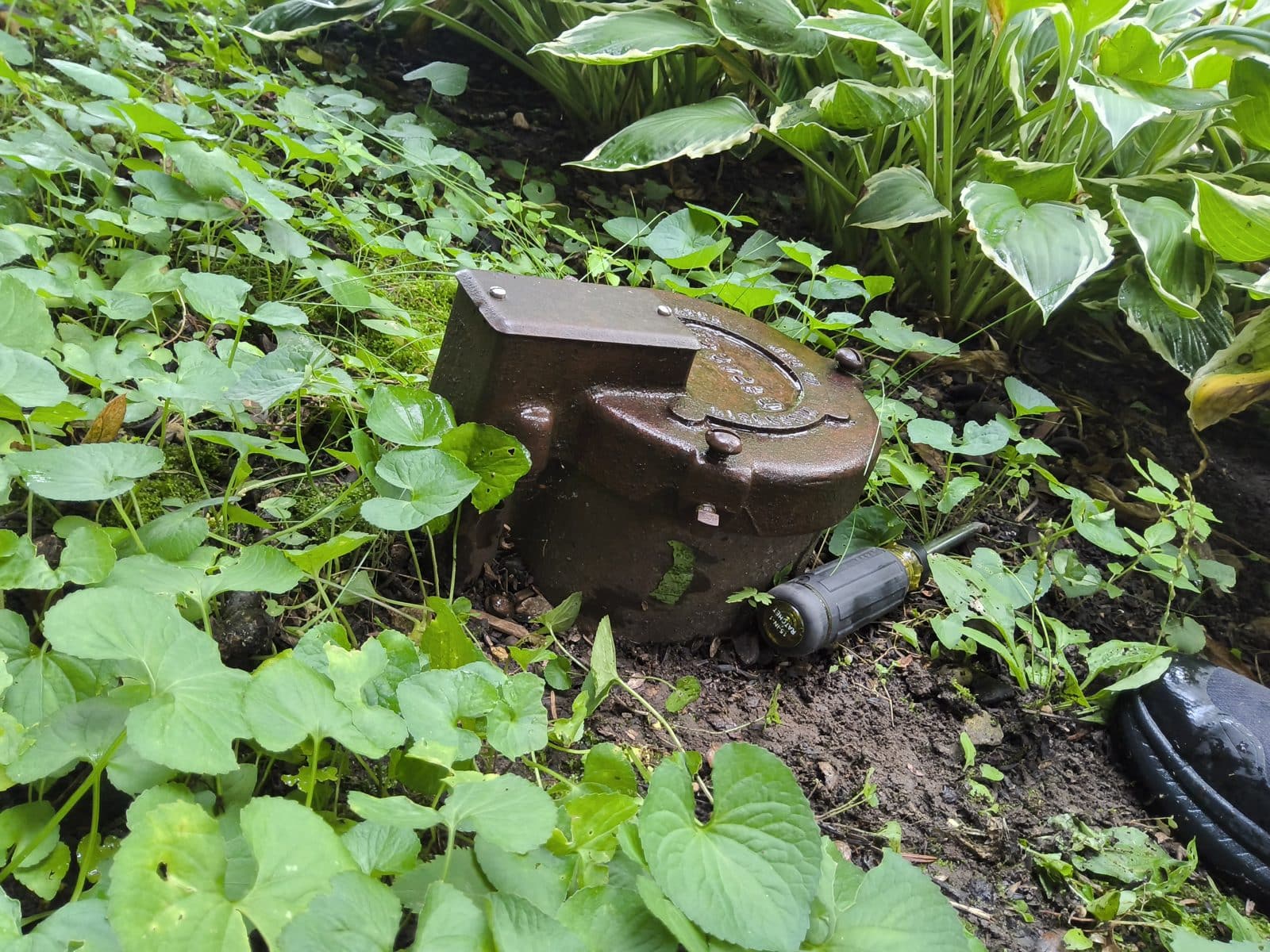
- Visible problems, like a well cap that isn’t sealed or casing that’s too short
- Other wells on the property, including old unused wells that may need to be properly filled and sealed
Some details, like how deep the casing goes, can’t be seen and may need more investigation.
HomeStart completes the DNR property transfer form, Form 3300-221, as part of our well inspection.
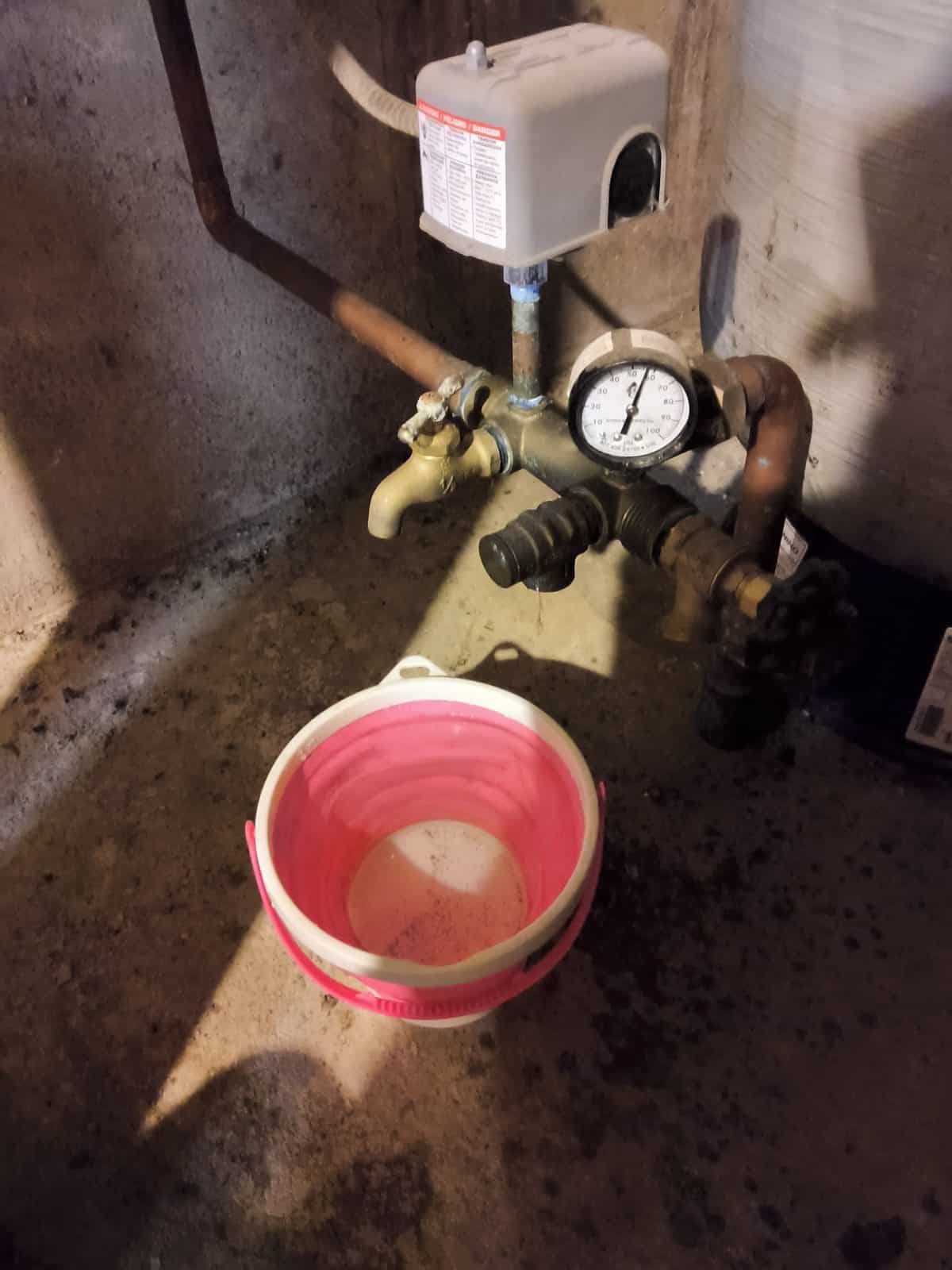
A HomeStart well inspection includes water sampling for bacteria, nitrate and arsenic, plus a look at the pressure tank, accessible pump components and visible plumbing. We can test for many other substances on request.
Wells and Septic Systems Go Together
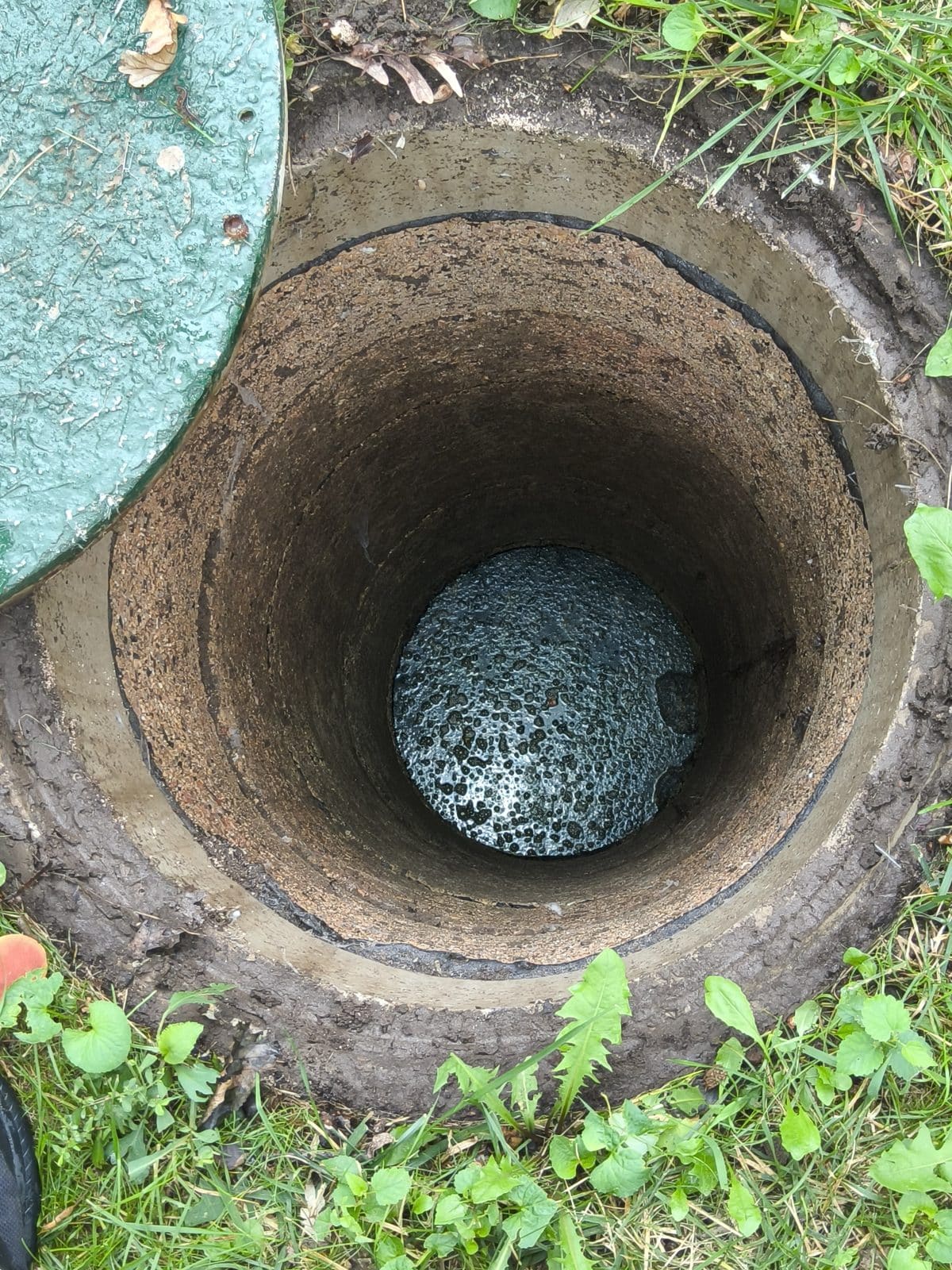
Most homes with a private well also have a private septic system. The two sit on the same lot, and a failing septic system near a well is one way bacteria and nitrate get into drinking water. If the home has both, book a septic inspection alongside the well test. If the home is on city sewer instead, a sewer scope checks the line from the house to the street.
Tips for Buyers
- Ask your agent about a well and water contingency in your offer, with enough time to get lab results back.
- Ask the seller for past water test results and any well or pump service records.
- Make sure the water is on and the system is running before the inspection.
- If the house has a water softener or treatment system, ask whether it stays with the house. Samples are usually taken before treatment so you see the raw water quality.
- After you move in, test for bacteria and nitrate every year. The state recommends it.
Frequently Asked Questions
Is a well inspection required to sell a house in Wisconsin?
No. State law doesn’t require one, but buyers and lenders often ask for water testing, and it’s a smart step on any home with a private well.
Who can do a well inspection in Wisconsin?
A formal property transfer well inspection must be done by a licensed well driller or licensed pump installer. Collecting water samples alone doesn’t require that license.
What happens if the well water fails the test?
It depends on the result. A positive bacteria test often leads to disinfecting the well and retesting, plus finding out how contamination got in. High nitrate may call for a treatment system or a new well. Your agent can use the results to negotiate repairs or credits.
How long do well water results take?
The samples go to a certified lab, so results take longer than the inspection report. Plan your contingency timeline with that in mind.
Schedule a Well Inspection in Dane County
HomeStart Inspections tests wells across Madison, Dane County and south central Wisconsin. Add a well inspection to your home inspection and get both on one visit. Schedule online any time or call (608) 609-0369, 8am to 6pm, seven days a week.