Madison averages about 52 inches of snow a year, and January’s average temperature sits near 19 degrees. Homes still sell all winter here, and buyers still need a thorough inspection. Winter changes what an inspector can see. Some things get harder to check. Others are easier to find in January than in July.
Here is what to expect from a winter home inspection in Madison and Dane County, and how to plan around the limits.
What Winter Makes Harder to Inspect
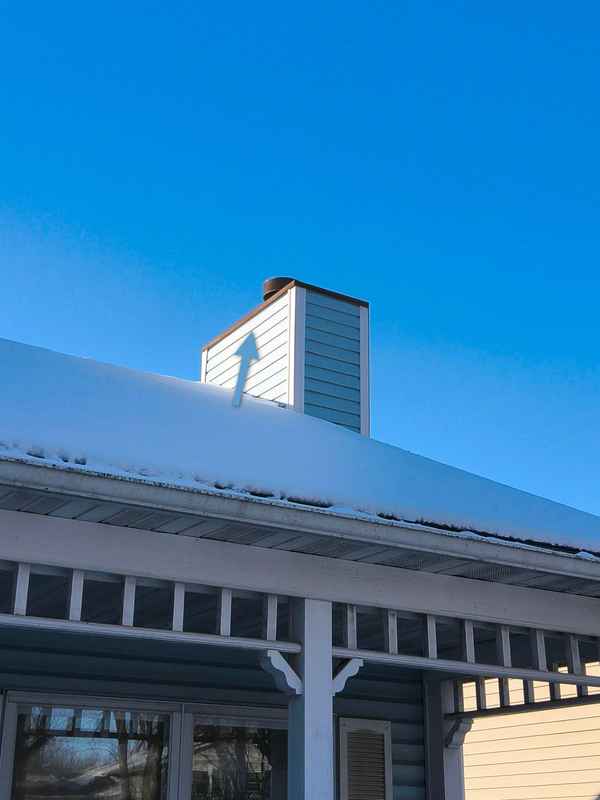
Snow-covered roofs
When snow covers the roof, nobody can see the shingles under it. Your inspector will look at what is visible: exposed sections, flashing, the chimney, gutters, the edges of the roof, and the attic underneath. The report will say plainly that snow limited the roof inspection. If the roof is a concern, plan a follow-up look once the snow melts, and ask the seller for the roof’s age and any repair records.
Air conditioning
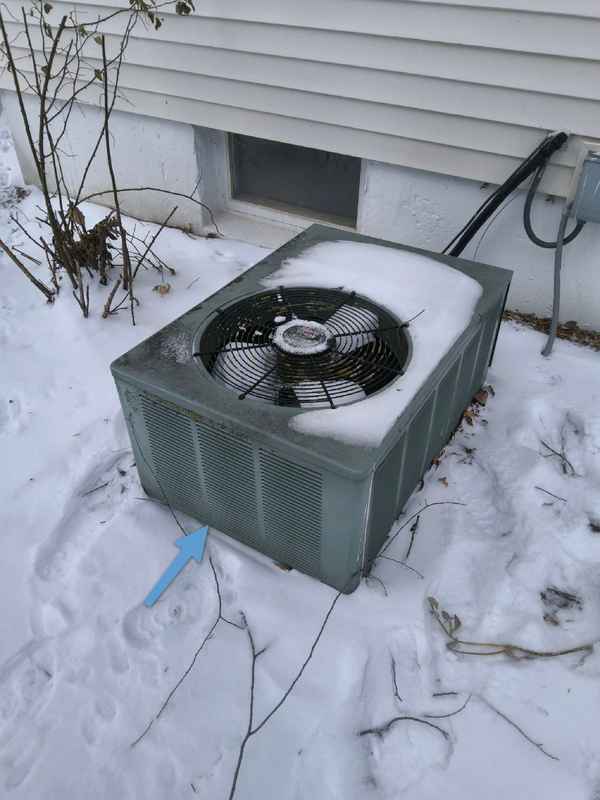
Running a central air conditioner when it’s cold outside can damage the compressor. Most manufacturers warn against it below about 60 degrees. In winter, the inspector checks the outdoor unit’s condition, the refrigerant lines, and the indoor coil area where visible, but won’t run the system. Ask the seller for service records.
Grading, driveways, decks and patios
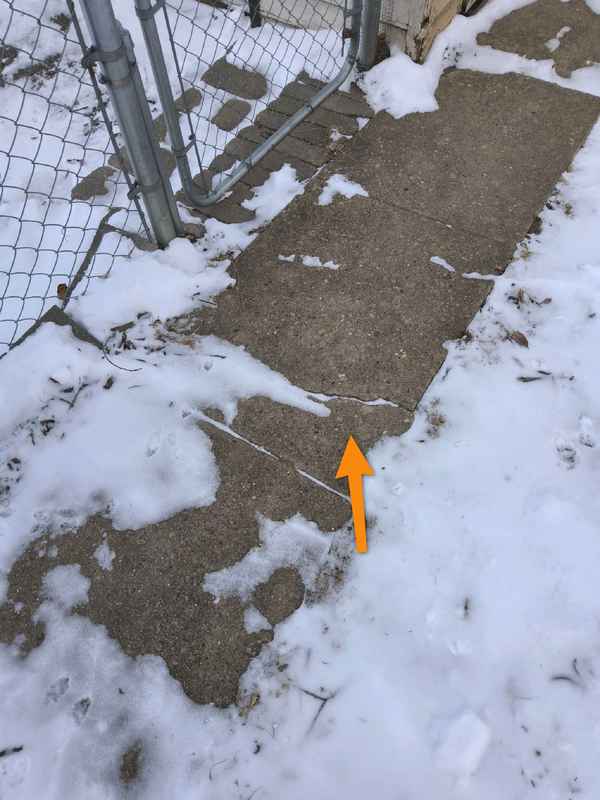
Snow hides the ground. That makes it hard to judge whether the yard slopes water away from the foundation, and it covers cracks in driveways, walks and patios. Decks can still be checked from below, but snow-packed surfaces limit what shows on top.
Vacant and winterized homes
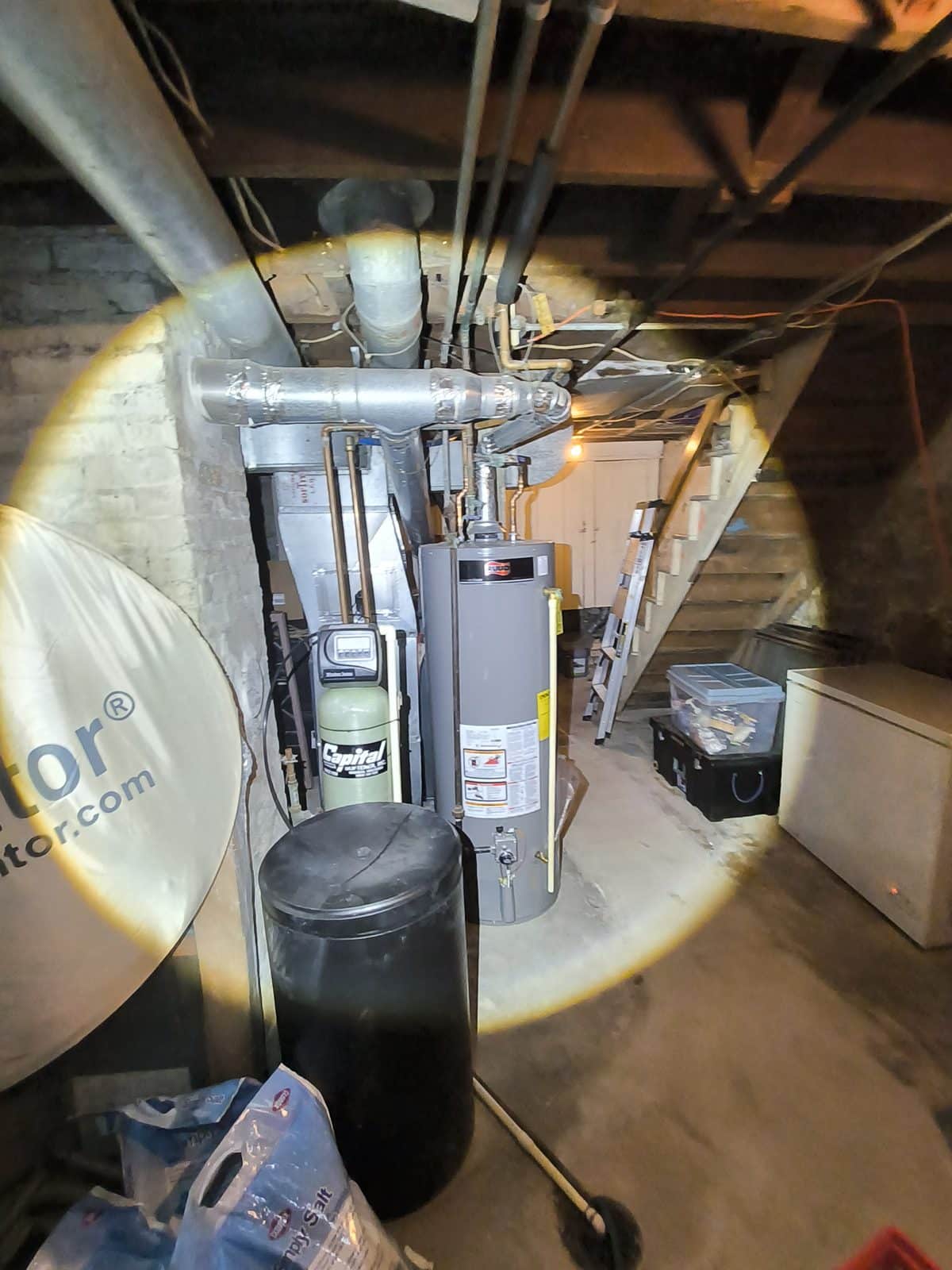
Bank-owned and vacant homes are often winterized in Wisconsin. The water is shut off and the lines are drained. If the water stays off, the inspector can’t run the plumbing, test fixtures or watch for leaks. Ask your agent to have the home de-winterized before the inspection so every system can be tested.
What Winter Makes Easier to Find
Heating problems
In winter the furnace or boiler is already working hard. Your inspector sees it under real load, which makes short cycling, weak airflow to certain rooms, and rooms that never warm up easier to spot. Heat is the system you need most in a Wisconsin winter, so this matters.
Ice dams and attic moisture
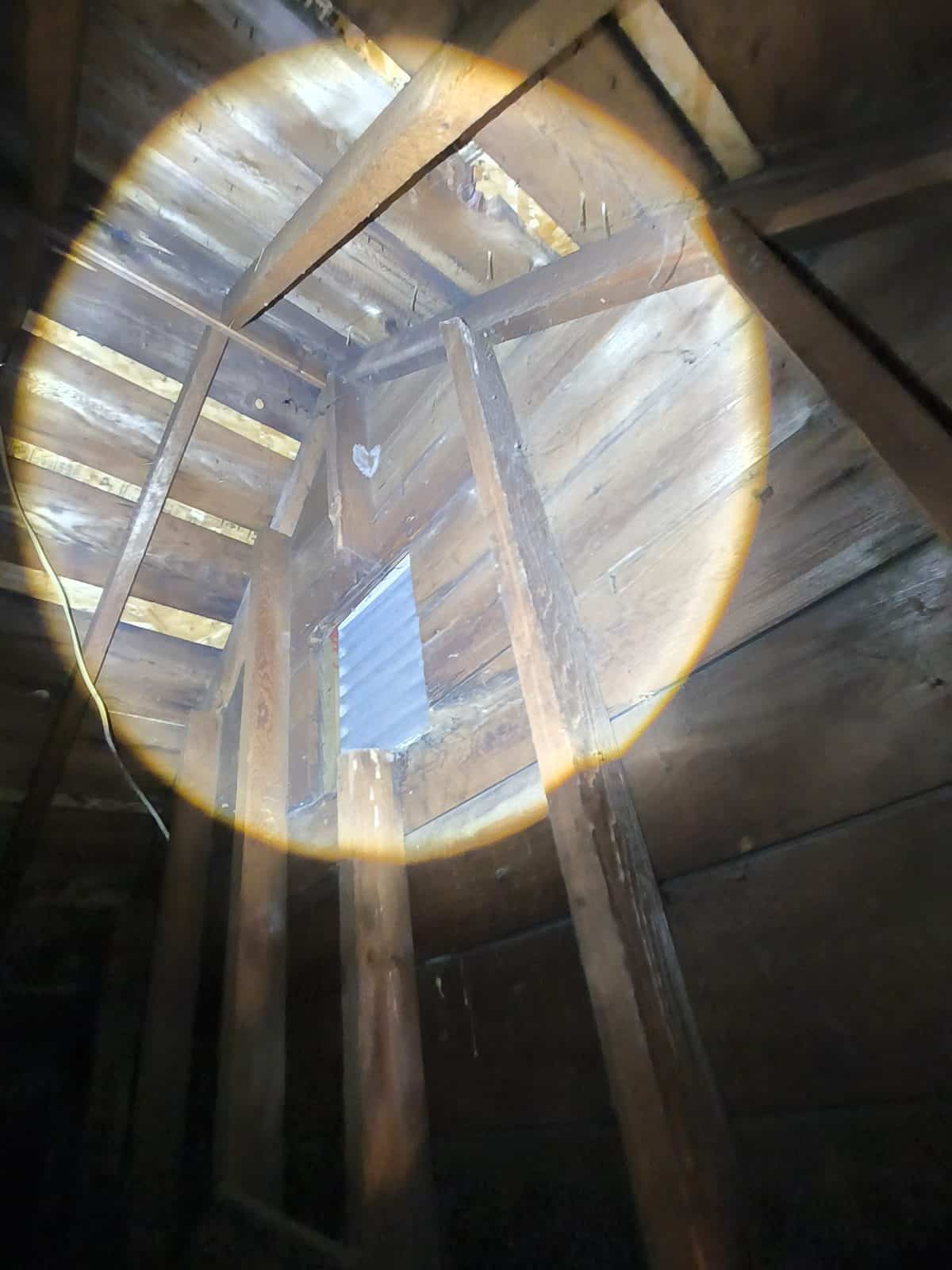
Ice dams form when heat escapes into the attic, melts snow on the roof, and the water refreezes at the cold edge. Icicles along the eaves, ice buildup in gutters, and frost on the underside of the roof deck all point to air leaks or thin insulation. In summer these signs are gone. In winter they are right there.
Air leaks and missing insulation
Thermal imaging works best when the inside of the house is much warmer than the outside. A cold day gives a big temperature difference, so gaps in insulation and drafty spots show up clearly on the camera. HomeStart includes thermal imaging with every home inspection.
Condensation on windows
Heavy condensation or frost on the inside of windows can mean failed window seals, high indoor humidity, or poor ventilation. Each one has a different fix, and winter is when you see them.
Other Inspections in Winter
Radon testing works well in winter. A radon test needs closed-house conditions, and in a Wisconsin winter, doors and windows are already shut. If you want the details on radon in Dane County, read our post on radon testing for Madison homebuyers.
A sewer scope also works year-round, since the camera usually goes in through a cleanout inside the house. Well water sampling and septic inspections can still be done in winter, though a deep frost or heavy snow can make it harder to reach septic tank lids. Book those early so there’s time to dig out if needed.
How to Plan a Winter Inspection
- Make sure all utilities are on: water, gas and electricity.
- Ask that walkways, the driveway and any access to the well or septic lids be cleared of snow.
- Ask the seller for the roof’s age and records for the furnace, water heater and air conditioner.
- If snow limits the roof inspection, talk with your agent about a follow-up look before closing or once the snow melts.
- Read the limitations section of your report. A good inspector tells you what couldn’t be seen, not only what was found.
Frequently Asked Questions
Is it a bad idea to buy a house in winter in Wisconsin?
No. Winter has its own advantages. Heating problems, ice dams and air leaks are easier to see. You need to plan for the parts snow hides, mainly the roof and the ground around the house.
Will the inspector go on a snow-covered roof?
Not if it isn’t safe, and walking on snow wouldn’t show the shingles anyway. The inspector checks what can be seen and notes what snow covered.
Can you test the air conditioning in winter?
Not safely when it’s cold. The inspector looks at the equipment’s condition and notes that it wasn’t run because of the outdoor temperature.
Is a radon test accurate in winter?
Yes. Radon tests require closed-house conditions, which winter provides naturally.
Schedule a Winter Home Inspection in Madison
HomeStart Inspections inspects homes in Madison and across Dane County all winter. Every home inspection includes thermal imaging, and reports are finished the same day. Schedule online any time or call (608) 609-0369, 8am to 6pm, seven days a week.