Madison’s older neighborhoods are full of homes built before 1950. Think of the near east side, Tenney-Lapham, Vilas, Monroe Street and the blocks around the Capitol. These houses have plaster walls, wood floors and front porches that newer homes can’t match. They also have systems that are 75 to 125 years old, or that someone updated in pieces over the decades.
Here is what our inspectors find most often in pre-1950 Madison homes, and what it means for you as a buyer.
Knob and Tube Wiring
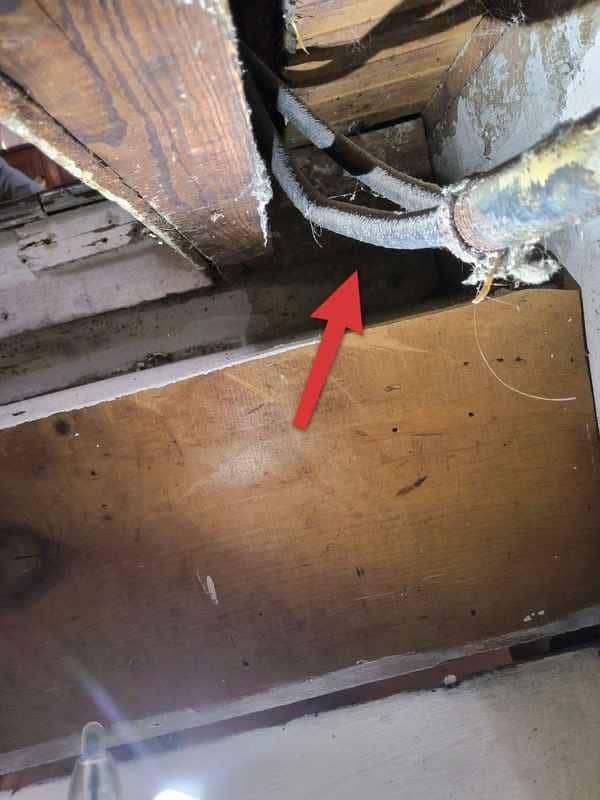
Knob and tube was the standard way to wire a house until about the 1940s. You’ll see it in basements and attics as single wires running on ceramic knobs and through ceramic tubes in the framing.
It wasn’t built for today’s electrical loads. Over time the wire’s insulation gets brittle and breaks down, which can leave bare conductors and a risk of shock or fire. Covering it with insulation, a common upgrade in old attics, makes it worse. So does tapping new wiring into it.
Many homes have a mix of active and abandoned knob and tube. A home inspector can’t tell how much of it is still live without opening walls. When we see it, we recommend a full evaluation by a licensed electrician. Call your insurance agent early too. Some insurers won’t cover a home with active knob and tube wiring.
Outlets Without a Ground
Older homes often have two-prong outlets, or three-prong outlets that test as ungrounded. Without a ground, a fault has no safe path, and surge protectors and some electronics don’t work as designed. An electrician can add grounding or GFCI protection.
Stone Foundations and Damp Basements
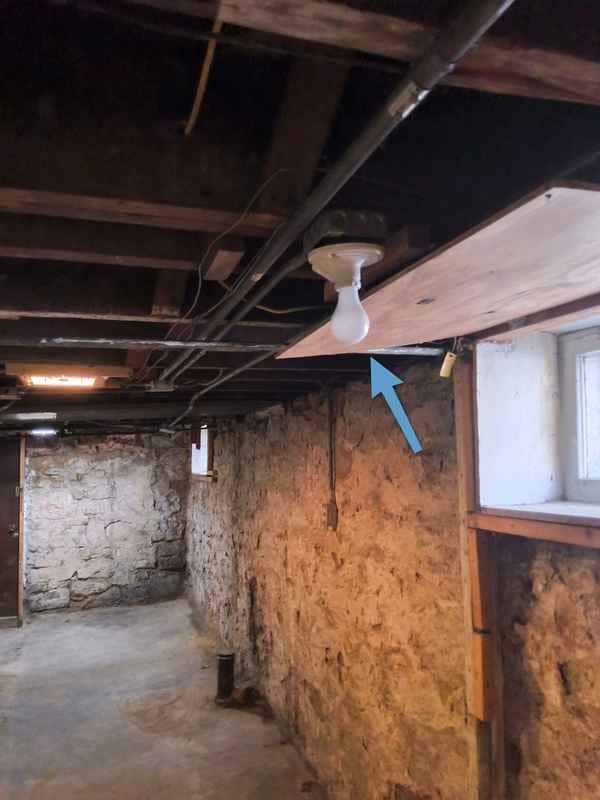
Many older Madison homes sit on stone or rubble foundations. A well-kept stone foundation can last a very long time. But stone foundations are commonly damp, and the mortar between the stones wears out.
Inspectors look for loose or missing stones, crumbling mortar, bulging walls, water stains and efflorescence, the white mineral crust left behind when water moves through masonry. Many owners cover the walls with a parge coat, a thin layer of mortar. It helps keep moisture down, but it falls off over time and needs to be redone.
Good gutters, downspouts that carry water away, and soil that slopes away from the house do more for a stone basement than anything inside it.
Old Plumbing: Galvanized, Cast Iron and Clay
Galvanized steel water pipes
Galvanized pipes rust from the inside. Over decades that rust narrows the pipe, lowers water pressure and leads to leaks at the joints. Many older homes have a mix of copper, plastic and leftover galvanized lines. Ask what’s been replaced.
Cast iron drains and stacks
Cast iron drain lines can last a long time, but they rust and crack, often from the inside out. Inspectors look for rust, scaling and seepage. A painted stack can hide those signs.
The sewer lateral
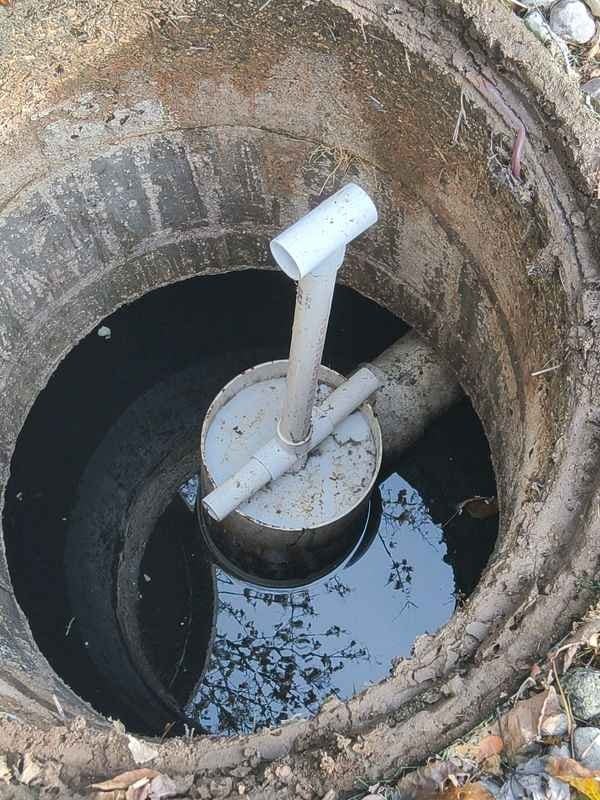
The pipe that carries waste from the house to the city main is the owner’s responsibility. In older homes it’s often cast iron or clay tile, and tree roots love clay tile joints. A visual inspection can’t see inside it. A sewer scope runs a camera through the line to look for roots, cracks, offsets and sags. On a pre-1950 home, we recommend one. Read more in our sewer scope guide for Madison buyers.
Lead service lines
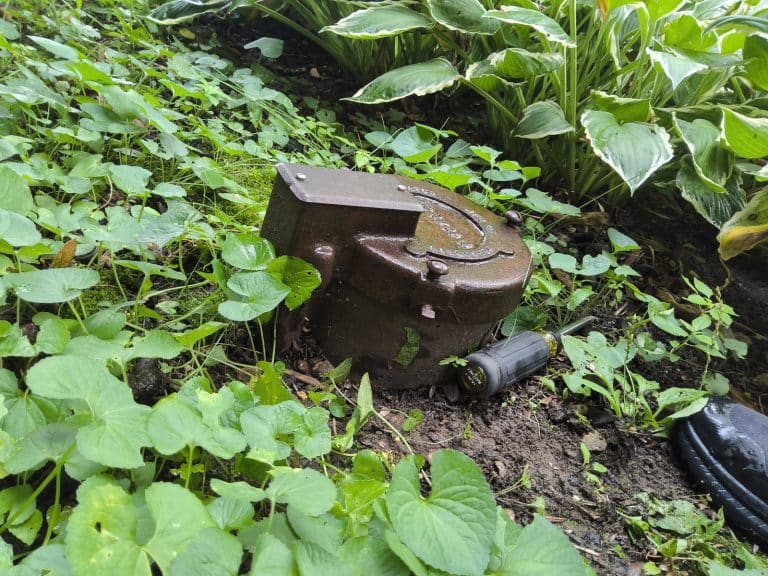
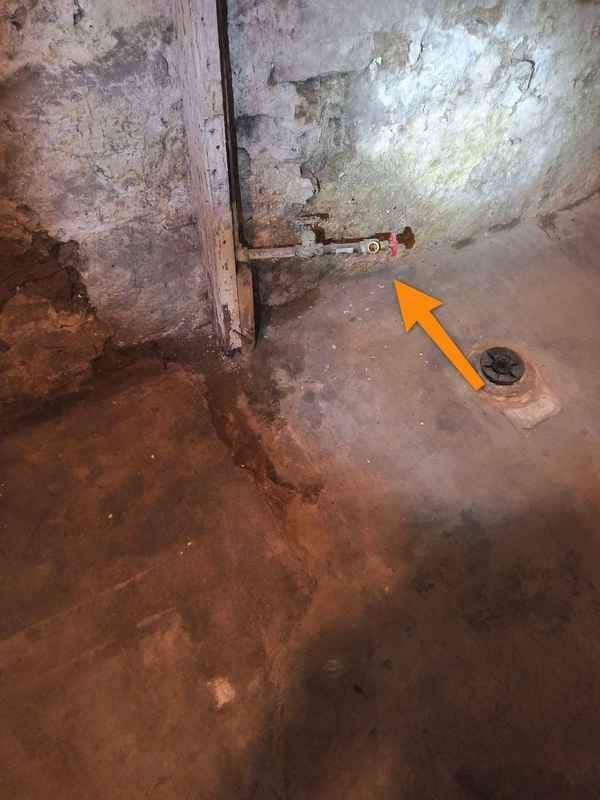
Madison Water Utility replaced the lead water service lines in the city, both the utility side and the homeowner side, in a program that wrapped up in the early 2010s. Outside the city of Madison, ask the local water utility whether the home’s service line has been checked.
Lead Paint and Asbestos
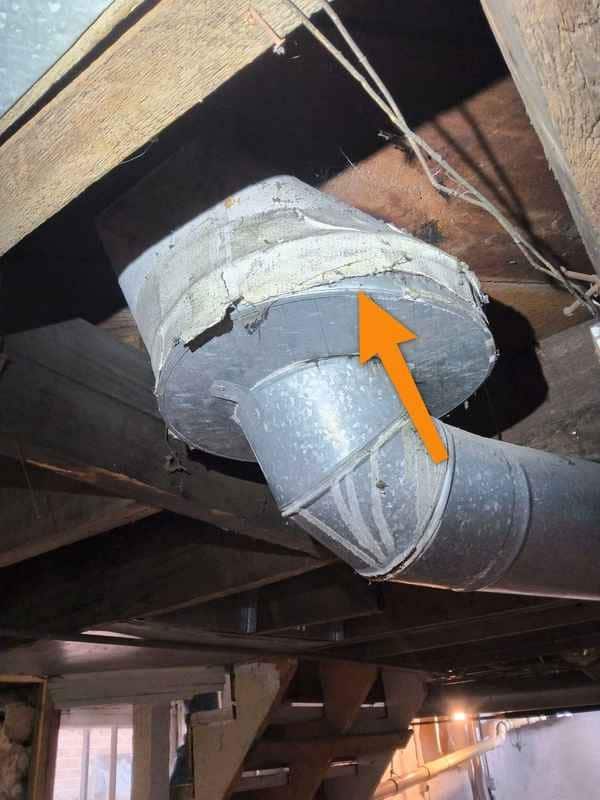
Homes built before 1978 may have lead-based paint. Older homes may also have materials that contain asbestos, like pipe and duct wrap, old floor tile, some plaster and vermiculite attic insulation.
A home inspection doesn’t test for either. When our inspectors see material that looks like it could contain asbestos, we note it as a courtesy and recommend testing before you disturb it. Intact material is often best left alone. Plan for testing before any remodeling that sands paint or tears out old materials.
Chimneys and Venting
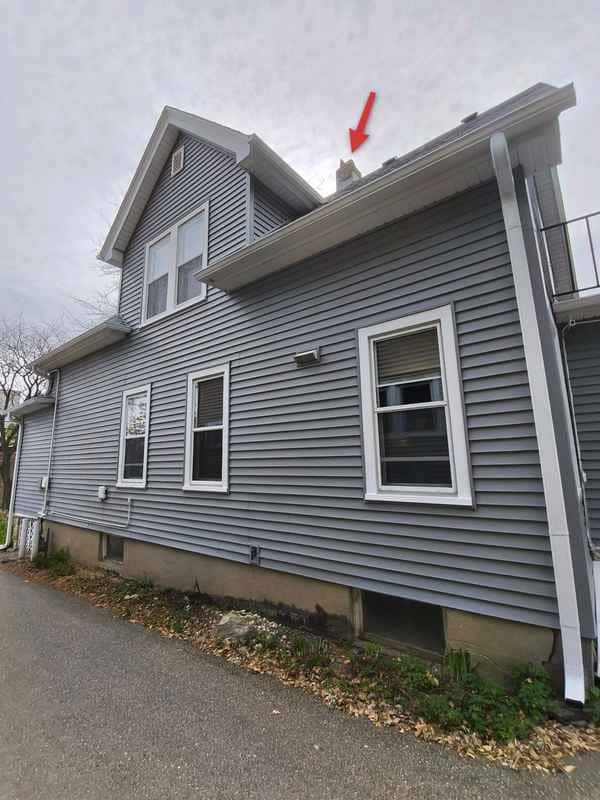
Brick chimneys in older homes often have cracked clay flue liners, or no liner at all where a newer furnace or water heater vents into an old chimney. Modern appliances produce cooler, wetter exhaust that can damage an unlined masonry chimney and may not vent properly. We recommend a chimney evaluation when we see damage or a missing liner.
Heating Systems
Pre-1950 homes may still have a boiler and cast iron radiators, an old gravity furnace converted to gas, or a newer furnace added to old ductwork. Boilers and radiators can work for decades with care. The age, venting and condition of the system matter more than the type. We’ll cover that in more detail in our post on furnace and boiler inspections.
Attics, Insulation and Windows
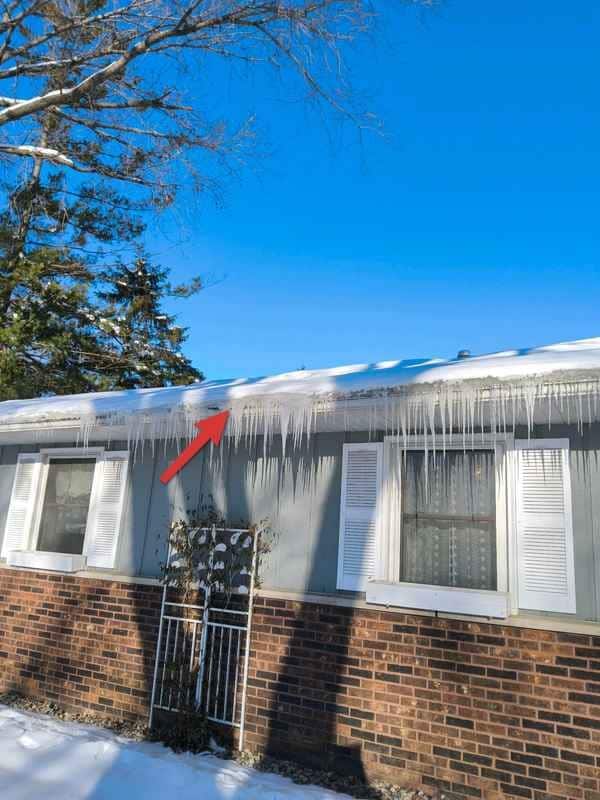
Older Madison homes often have thin attic insulation, little or no wall insulation, and lots of air leaks. That shows up as high heating bills and ice dams in winter. Thermal imaging, which HomeStart includes with every home inspection, makes heat loss easy to see on a cold day. Read our post on ice dams in Madison homes for what that means for the roof.
Original wood windows may be beautiful and repairable, but check for rot, broken sash cords and painted-shut sashes.
Tips for Buying an Older Home in Madison
- Ask the seller for the dates of electrical, plumbing, roof and heating updates, and for permits.
- Add a sewer scope to your inspection.
- Call your insurance agent early if the home has knob and tube wiring or an old fuse panel.
- Get quotes for big items, like rewiring or a new sewer lateral, before your contingency ends.
- Budget for ongoing upkeep. Older homes reward owners who stay ahead of maintenance.
Frequently Asked Questions
Is it a bad idea to buy a house with knob and tube wiring?
Not always. It depends on how much is active, its condition and what your insurer will accept. A licensed electrician can tell you what it would take to replace it.
Do I need a sewer scope on an older home?
We recommend one. Old cast iron and clay laterals are common in older Madison neighborhoods, and the line from the house to the street is the owner’s to repair.
Does a home inspection test for lead paint or asbestos?
No. A home inspection is visual. We note material that may contain asbestos as a courtesy, and a lab test confirms it.
How long does an inspection take on an older home?
Older and larger homes take longer, since there’s more to look at. HomeStart reports are finished the same day.
Schedule an Older Home Inspection in Madison
HomeStart Inspections inspects homes of every age across Madison and Dane County. Add a sewer scope to your home inspection and get both on one visit. Schedule online any time or call (608) 609-0369, 8am to 6pm, seven days a week.