Every winter, Madison roofs grow a row of icicles along the gutters. They look harmless. Often they’re a sign of an ice dam, and an ice dam can push water under the shingles and into the ceilings and walls of the house you’re about to buy.
Here is what causes ice dams, what to look for on a showing, and what a home inspection checks.
What Is an Ice Dam?
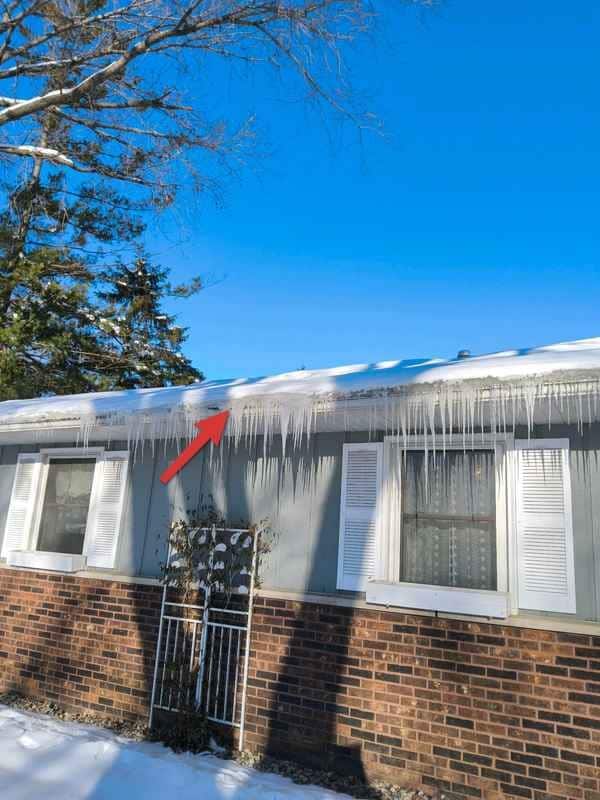
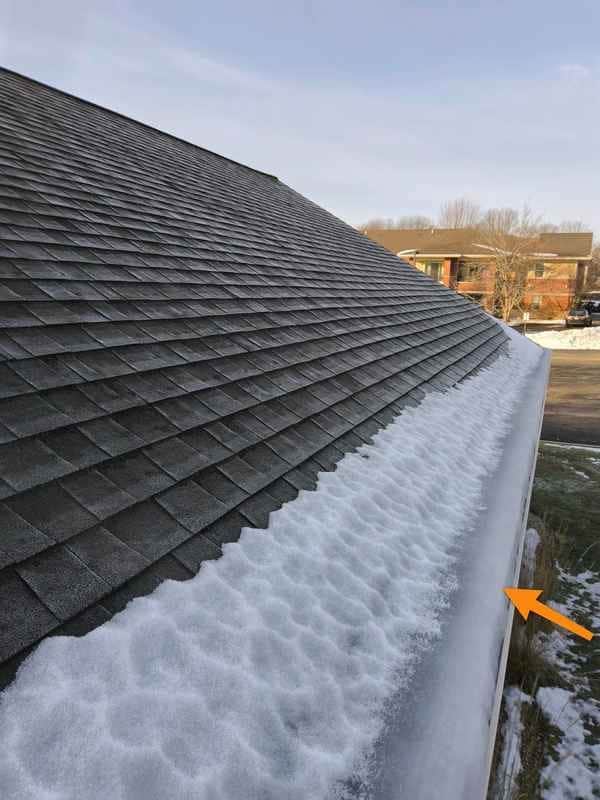
An ice dam is a ridge of ice that forms at the edge of a roof and stops melting snow from draining. As water backs up behind the dam, it can leak through the roof and damage walls, ceilings, insulation and other areas.
Shingles shed water that runs downhill. They don’t hold back standing water. That’s why a roof in good shape can still leak when an ice dam forms.
What Causes Ice Dams?
Ice dams need three things at once:
- Snow on the roof
- An upper roof surface warmer than 32 degrees, so the snow melts
- A roof edge colder than 32 degrees, so the water refreezes
The warm upper roof almost always comes from heat leaking out of the house, not from the sun. The roof edge hangs past the outside wall, so it stays cold. Melted water runs down, hits the cold edge and freezes. The ridge grows with every melt.
The heat gets into the attic in a few common ways:
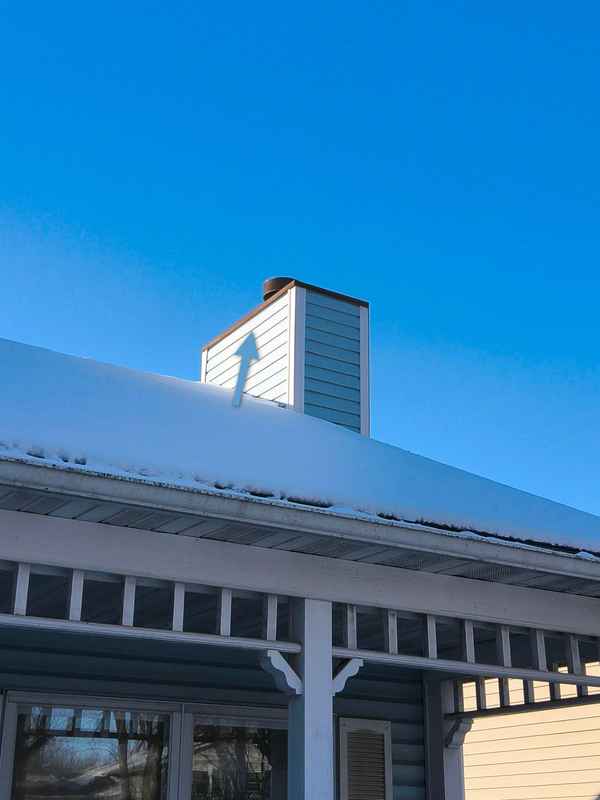
- Air leaks around ceiling light fixtures, attic hatches, plumbing and wiring holes, and chimneys. These are often the biggest cause.
- Thin or uneven attic insulation
- Bath or kitchen fans that vent into the attic instead of outside
- Ductwork running through the attic
- Blocked soffit vents that stop cold air from moving under the roof deck
Madison averages about 52 inches of snow a year, with long stretches below freezing and sunny days that warm the roof. Older homes with low insulation and lots of ceiling penetrations are especially prone.
Warning Signs of Ice Dams When You’re House Hunting
In winter
- Thick icicles along the gutters, especially over heated rooms
- A ridge of ice along the lower edge of the roof or packed in the gutters
- A roof where snow has melted in patches while the neighbors’ roofs are still white
- Frost on the underside of the roof deck or on nail tips in the attic
Any time of year
- Water stains on ceilings or upper walls near outside walls
- Peeling paint or stains on the soffits and fascia
- Stained or dark roof sheathing in the attic, especially near the eaves
- Rusted nails or water-marked insulation in the attic
- Gutters pulling away from the house, or bent from the weight of ice
- Heat cables on the roof edge. They can help, but they treat the symptom. Ask why they were installed.
What a Home Inspection Checks
An inspection looks at the outside and the inside of the problem.
Outside, the inspector notes icicles and ice buildup at the eaves and gutters, the condition of the gutters and roof edge, and signs of past water damage on the soffits and fascia. In winter, snow often covers the shingles. The report will say plainly when snow limited the roof inspection.
Inside, the attic tells the real story. The inspector checks insulation depth and coverage, soffit and roof vents, bath fan ducts, and signs of moisture like frost, staining and rusted nails. Ceilings and walls below the roof edge get a close look for water stains.
HomeStart includes thermal imaging with every home inspection. On a cold day, a thermal camera shows where heat is escaping through the ceiling and where insulation is thin or missing. It also helps find damp spots in ceilings and walls. It can’t see through walls, but it points to the spots worth a closer look.
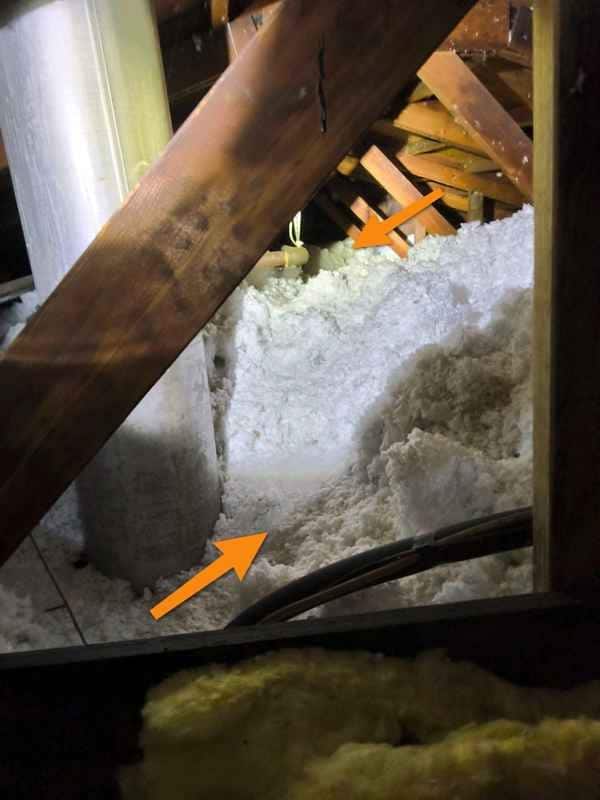
When we find an active ice dam, the report flags it and recommends an evaluation by a qualified roofing contractor. The fix often involves an insulation or air sealing contractor too.
Are Ice Dams a Deal Breaker?
Usually not. Ice dams are common in Madison, and most causes can be fixed. What matters is whether water has already gotten inside and what it would cost to stop it from happening again.
Use the inspection report to talk with your agent about next steps. Common options are asking the seller for repairs, a credit at closing, or quotes from a roofer and an insulation contractor before your contingency ends.
How Ice Dams Are Fixed
The lasting fix is to keep the roof deck cold so snow doesn’t melt from below:
- Seal air leaks between the living space and the attic first.
- Add insulation after the leaks are sealed.
- Make sure soffit and roof vents move air under the roof deck.
- Vent bath and kitchen fans all the way outside.
Short-term fixes, like raking snow off the lower roof with a roof rake from the ground, can reduce ice dams during a heavy winter. Don’t chip at ice on the roof. It damages shingles and the roof is dangerous in winter. Leave roof work to a professional.
Frequently Asked Questions
Are icicles always a sign of an ice dam?
No. A few small icicles can form on any house. Thick icicles, ice ridges at the roof edge and ice packed in the gutters are the signs to take seriously, especially with water stains inside.
Can you inspect for ice dams in the summer?
Yes, indirectly. The ice is gone, but the clues aren’t. Stained roof sheathing, water marks on ceilings, thin insulation and bath fans venting into the attic all point to past ice dam trouble.
Does homeowners insurance cover ice dam damage?
It depends on the policy. Ask your insurance agent before you close, especially if the inspection found signs of past water damage.
Will gutter guards or heat cables stop ice dams?
They can help with symptoms, but they don’t fix the cause. Heat loss into the attic is what melts the snow.
Schedule a Winter Home Inspection in Madison
Winter is when ice dams show themselves. HomeStart Inspections inspects homes across Madison and Dane County all season, and every home inspection includes thermal imaging. Learn more about winter home inspections in Madison and what we check in the attic. Schedule online any time or call (608) 609-0369, 8am to 6pm, seven days a week.