In Wisconsin, the heating system isn’t a comfort item. It’s what keeps the pipes from freezing in January. It’s also one of the most expensive parts of a house to replace. Before you buy, you want to know what kind of system the home has, how old it is and whether it’s working safely.
Here is what a home inspection checks on a furnace or boiler, the problems we find most often, and when to bring in an HVAC contractor.
Furnace or Boiler: What’s the Difference?
Most Wisconsin homes heat with a forced-air furnace. It warms air and blows it through ducts to vents in each room. Most furnaces here run on natural gas. Rural homes may use propane.
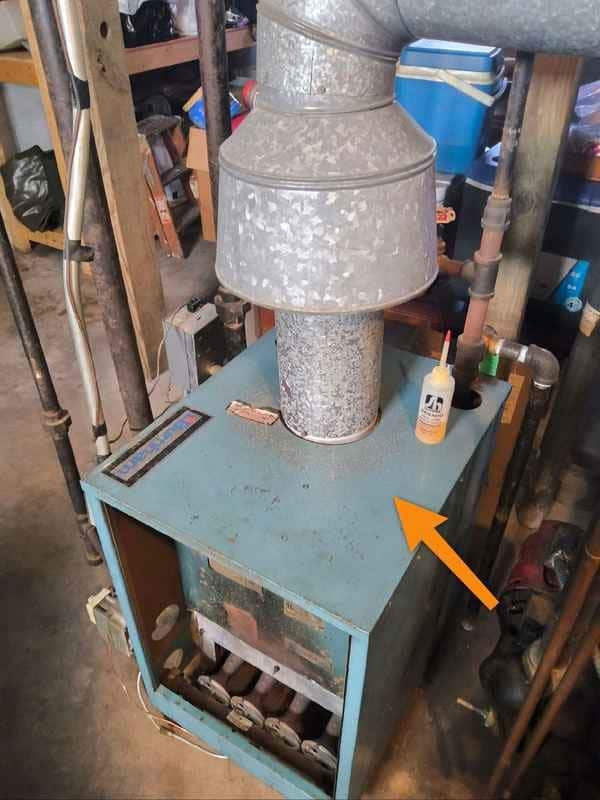
A boiler heats water and sends it through pipes to radiators, baseboard heaters or tubing in the floor. Boilers are common in older Madison homes and in some newer homes with in-floor heat. With a boiler, central air needs its own system or a separate duct setup.
What a Home Inspection Checks on a Furnace
- The brand, energy source and approximate age, from the data plate when it’s readable
- Normal operation from the thermostat, and whether warm air reaches the rooms
- The gas supply line and shutoff
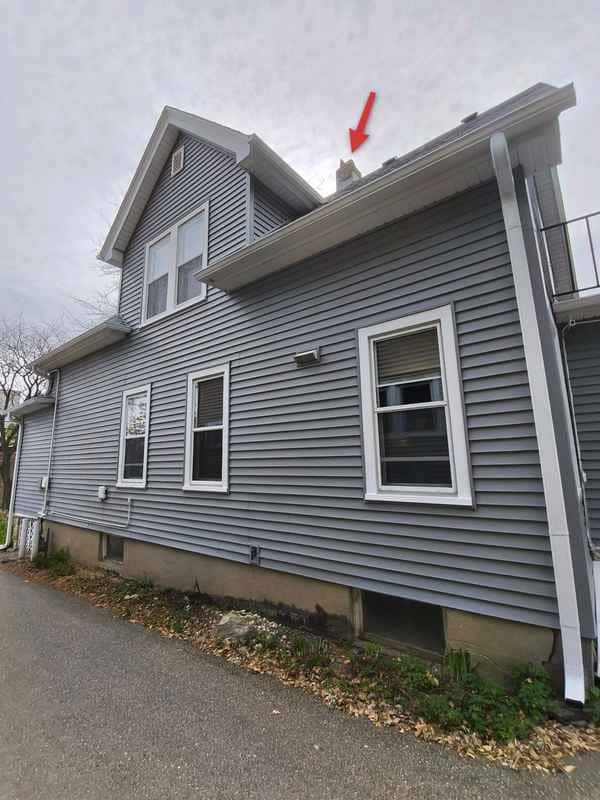
- The vent pipe or flue: material, slope, connections and where it ends outside
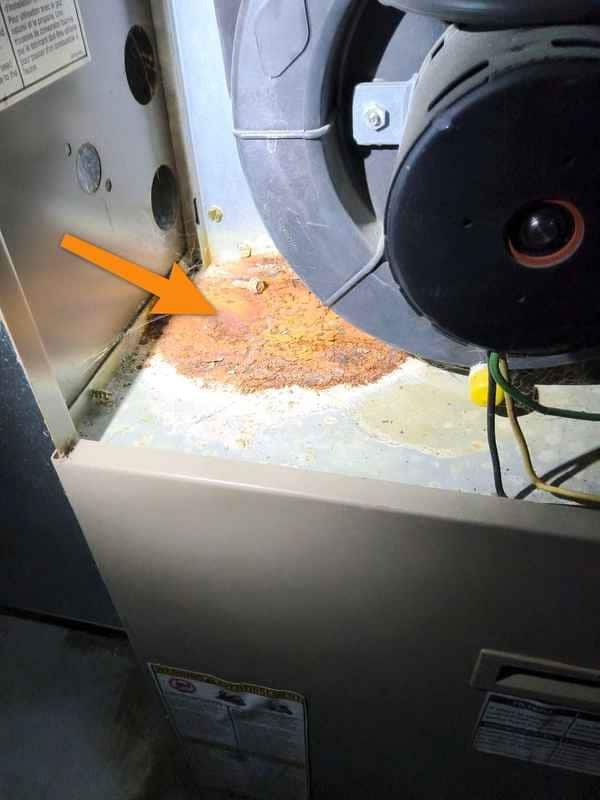
- Rust, corrosion, water stains and scorch marks on and in the cabinet
- The filter
- Visible ductwork, including loose or detached sections
- The condensate line on high-efficiency furnaces
A home inspection is visual. Inspectors don’t take the furnace apart, so the heat exchanger inside isn’t fully visible. A crack there can let combustion gases mix with the air you breathe. If the furnace is old, rusty or shows signs of trouble, an HVAC contractor can do the deeper check.
What a Home Inspection Checks on a Boiler
- The brand, type and approximate age
- Normal operation from the thermostat
- The pressure and temperature gauges, and the pressure relief valve
- Circulator pumps and zone valves, as far as their outside condition shows
- The expansion tank and visible distribution pipes
- The vent and the gas line
- Radiators or baseboard heaters in each room
Thermal Imaging Shows Where the Heat Goes
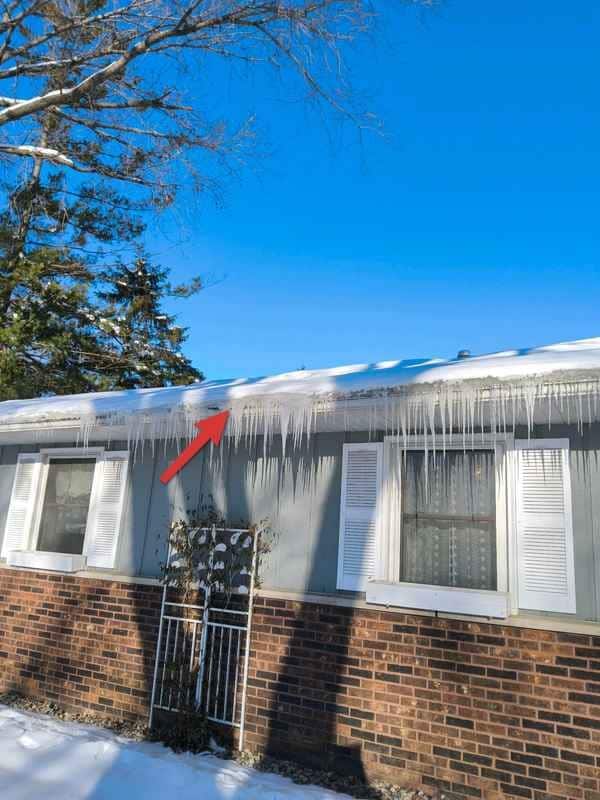
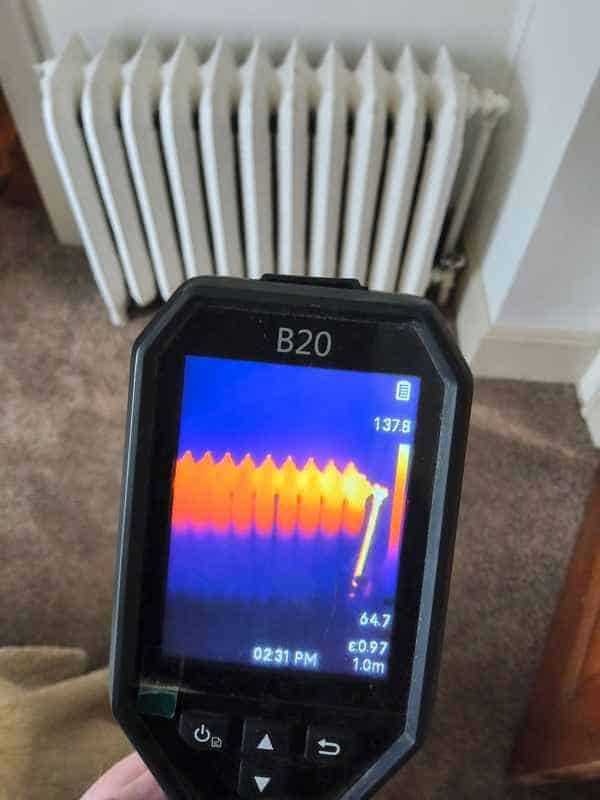
HomeStart includes thermal imaging with every home inspection. On a heating system, the thermal camera shows which radiators heat up and which stay cold, whether heat reaches each register, and hot spots that don’t belong. In a Wisconsin winter, it also shows where heat is leaking out of the house.
Common Furnace and Boiler Problems We Find
- Rust and corrosion in or on the unit. Rust inside a furnace or boiler can point to a venting or condensation problem and needs an HVAC evaluation.
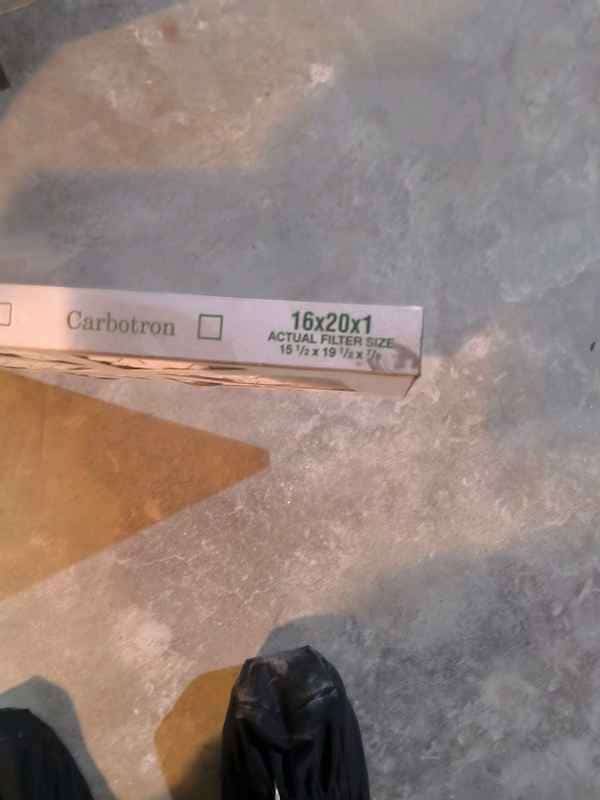
- Dirty filters. A clogged filter makes the system work harder and wears it out sooner. It’s an easy fix, but it tells you something about past maintenance.
- Aged systems. When a system is near or past its expected life, we note it so you can plan and budget.
- Venting problems, like a newer furnace or water heater vented into an old chimney with no liner, or vent pipes with poor slope or loose joints.
- Missing pressure and temperature gauges on a boiler.
- Radiators that don’t heat, or a boiler that runs much hotter than it should.
- Detached or leaking ductwork in the basement or attic.
How Old Is Too Old?
Age alone doesn’t fail a furnace or boiler. A well-kept older system can keep running for years, and a neglected newer one can have problems. What helps you most is knowing the age, the condition and the service history, so you can budget for a replacement instead of being surprised by one.
Look for a service tag on the unit and ask the seller for maintenance records.
Carbon Monoxide Safety
Any gas, propane or oil appliance can produce carbon monoxide if it isn’t burning or venting right. Wisconsin requires carbon monoxide alarms in homes with fuel-burning appliances or an attached garage. Make sure the home has working CO alarms on every level, and replace them by the date on the alarm.
Tips for Buyers
- Ask the seller for the age of the furnace or boiler and the last service date.
- Make sure the gas and power are on before the inspection so the system can run.
- If the report recommends an HVAC evaluation, schedule it before your contingency ends.
- Replace the filter after you move in, and book a yearly tune-up before the heating season.
- Check the carbon monoxide alarms the day you get the keys.
Frequently Asked Questions
Does a home inspection include the furnace?
Yes. The inspector checks the furnace or boiler, its controls, venting, gas line and distribution, as far as they’re visible and can be run with normal controls.
Does a home inspector check the heat exchanger?
Not fully. The heat exchanger sits inside the furnace and can’t be seen without taking it apart. An HVAC contractor can inspect it more closely.
Can the furnace be inspected in summer?
Yes. The inspector runs the heat with the thermostat to see that it works, even on a warm day.
Should I get a separate HVAC inspection?
If the system is old, shows rust or venting problems, or the report recommends it, yes. A home inspection tells you what needs a closer look. An HVAC contractor can tell you what it will take to fix.
Schedule a Home Inspection in Wisconsin
HomeStart Inspections checks heating systems in every home inspection across Madison, Dane County and south central Wisconsin, with thermal imaging included. Buying an older home with a boiler? Read what inspectors find in pre-1950 Madison houses. Schedule online any time or call (608) 609-0369, 8am to 6pm, seven days a week.